


10 Must-Try Beverages under DACH Region (Germany, Austria, Switzerland)
The DACH region, representing Germany, Austria, and Switzerland, holds a treasure trove of liquid traditions that are as diverse as the towering Alps and rolling vineyards defining their borders. Central European hospitality is legendary, and there is perhaps no warmer or friendlier way to experience it than by raising a glass of a locally beloved beverage. In these countries, drinking is not merely a means of hydration, but an essential ritual of socializing, celebrating, and preserving heritage. From cozy winter chalets to sun-drenched alpine pastures, the beverages of these countries offer a rich window into German culture, Austrian culture, and Swiss culture.
Across the global internet, travelers, food historians, and curious epicureans frequently search for the ultimate refreshments from Central Europe. To map this digital landscape, this analysis explores and ranks the ten most highly recommended drinks from the region. By synthesizing search platform trends, historical backgrounds, regional distribution, and standard market pricing, this guide presents a comprehensive overview of the best German beverages, best Swiss beverages, and best Austrian beverages. This curated collection showcases how modern trends and centuries-old recipes merge into delicious liquid landmarks.
The Definitive Ranking of DACH Beverages
The digital landscape reveals a fascinating mix of seasonal blockbusters, daily hydration heroes, and niche regional specialties. To understand their true footprint, these beverages have been analyzed and ranked according to their search popularity across search engines and social platforms.
Rank | Beverage Name | Country of Origin | Primary Category | Online Search Profile | Typical Price Range |
1 | Glühwein | Germany / Regional | Warm Mulled Wine | Extreme Winter Peak | €3.50 – €5.50 (Per Mug) |
2 | Radler | Germany / Austria | Mixed Beer Beverage | High Summer Peak | €3.50 – €5.50 (Draft) |
3 | Spezi | Germany | Cola-Orange Soda Mix | High Year-Round Growth | €2.50 – €4.50 (Restaurant) |
4 | Apfelschorle | Germany | Carbonated Juice Spritzer | Steady Everyday Search | €2.50 – €4.00 (Restaurant) |
5 | Rivella | Switzerland | Whey-based Soft Drink | Cult Status / Regional High | CHF 3.50 – CHF 4.50 (Restaurant) |
6 | Almdudler | Austria | Carbonated Herbal Soda | Steady Tourism Interest | €3.00 – €4.90 (Cafe/Bistro) |
7 | Wiener Melange | Austria | Espresso & Frothed Milk | Premium Coffeehouse Search | €4.50 – €6.50 (Coffeehouse) |
8 | Sturm | Austria | Fermenting Grape Juice | Sharp Autumn Harvest Peak | €3.50 – €5.50 (Glass) |
9 | Ovomaltine | Switzerland | Malted Chocolate Drink | Sports & Youth Lifestyle | CHF 3.50 – CHF 5.00 (Prepared) |
10 | Absinthe | Switzerland | Wormwood-based Spirit | High Historical Intrigue | CHF 8.00 – CHF 15.00 (Pour) |
1. Glühwein: The Aromatic Heart of Winter Markets

As the winter air begins to bite, online search queries for this comforting beverage skyrocket across the globe. Intimately tied to the festive Christmas market tradition that defines winter in Central Europe, Glühwein is a staple enjoyed widely across Germany, Austria, and Switzerland.
The magic of this classic spiced nectar lies in its rich, aromatic preparation. Traditional recipes combine red wine with citrus zest and a balanced blend of spices, most notably star anise, cinnamon, and cloves. A critical rule of the cooking process is that the spiced mixture must be heated slowly and never allowed to boil, which preserves both the delicate fruit notes and the alcohol content. Varieties utilizing white wine are also common, particularly in Austrian regions.
Where it is sold the most: Bustling urban Christmas markets (Weihnachtsmärkte) and alpine ski resorts as an après-ski drink.
Current Price Range: Approximately €3.50 to €5.50 per mug, plus a small deposit (Pfand) for the decorated ceramic mug.
2. Radler: The Ultimate Summer Fuel

In the warm summer months, search interest peaks for the ultimate beer-garden companion: the Radler. The name translates literally to "cyclist," reflecting its historical origins as a light, refreshing drink designed for active outdoor enthusiasts who wanted the crisp taste of beer without the heavy intoxicating effects.
A traditional Radler consists of a balanced mix of pale German lager (or Pilsner) and sweet, sparkling lemon-lime soda. In Northern Germany, where beers are traditionally more bitter, the drink is frequently referred to as "Alsterwasser". In Southern regions, a popular variation known as "Russ" or "Russe" utilizes unfiltered wheat beer (Hefeweizen) instead of lager. Major brands like Styria's Gösser produce highly sought-after commercial versions that are widely searched online.
Where it is sold the most: Sunny beer gardens, public parks, summer festivals, and grocery shelves across Germany and Austria.
Current Price Range: €3.50 to €5.50 for a freshly poured half-liter glass in a beer garden.
3. Spezi: Germany's Cult Soda

Representing a massive cultural footprint within modern German culture, Spezi is an incredibly popular non-alcoholic beverage consisting of a refreshing blend of rich cola and zesty orange soda. Originally mixed by hand in Bavarian pubs during the 1950s, it quickly transformed into a commercial success and remains a beloved taste throughout Central Europe.
Strictly speaking, the name "Spezi" is a protected trademark owned by the Riegele brewery in Augsburg, which requires other manufacturers to pay licensing fees to use the official moniker. The unique flavor profile balances the caramelized sweetness of cola with the bright acidity of citrus fruit juices. While traditionally a regional favorite, the brand has witnessed rising international demand, appearing in specialty import stores across North
America under names like Paulaner Sunset.
Where it is sold the most: German supermarkets, casual restaurants, and traditional beer gardens as a non-alcoholic alternative.
Current Price Range: Approximately €1.00 to €1.80 for retail bottles, and €2.50 to €4.50 when served in restaurants.
4. Apfelschorle: The Daily Refreshment

When discussing everyday hydration in the DACH region, Apfelschorle stands out as a fundamental dietary staple. Highly valued by hikers, athletes, and families, this non-alcoholic carbonated juice spritzer is praised for its effervescent, crisp taste and hydrating qualities.
This classic belongs to the list of famous German beverage names and is legally regulated to ensure high juice content. Because it is diluted with carbonated mineral water, it contains roughly half the sugar and calories of pure apple juice, making it an excellent refreshment that is less intensely sweet. The beverage grew in popularity during the post-war German economic recovery (Wirtschaftswunder) as mineral water bottling infrastructure expanded.
Where it is sold the most: Widely available in every grocery store, school cafeteria, and restaurant across Germany, Austria, and Switzerland.
Current Price Range: Retails around €1.20 to €2.00 in supermarkets, and costs €2.50 to €4.00 in dining establishments.
5. Rivella: Switzerland's Liquid Icon

This unique carbonated beverage enjoys a legendary cult status within Swiss culture, with approximately 96 percent of the Swiss population recognizing and enjoying the brand. Produced in Rothrist since 1952, it has become a true national icon.
What sets Rivella apart is its highly unconventional primary ingredient: milk whey. Accounting for roughly one-third of the drink's recipe, the liquid whey (lactose) is filtered to create a crystal-clear, refreshing base that is then infused with a secret blend of herbal and fruit extracts. The resulting taste is subtly sweet, slightly tangy, and completely distinct from standard sodas, making it one of the most intriguing Swiss beverage names to explore.
Where it is sold the most: Swiss supermarkets (such as Coop and Migros), mountain huts, and restaurants throughout Switzerland.
Current Price Range: CHF 1.50 to CHF 2.50 in retail stores, and CHF 3.50 to CHF 4.50 in restaurants.
6. Almdudler: The Spirit of the Alps

To experience the liquid soul of Austria, one must try Almdudler, a legendary soft drink developed in Vienna in 1957 by entrepreneur Erwin Klein. The name itself is derived from the old Austrian phrase "Auf der Alm dudeln," which translates to "to yodel in the alpine pastures".
Often called the national drink of Austria, this bubbly herbal soda is sweetened with natural cane sugar and flavored with a complex, proprietary blend of mountain herbs. It contains no artificial preservatives or colorings, delivering a crisp, botanical flavor profile that pairs wonderfully with rich Austrian culinary classics like Wiener Schnitzel.
Where it is sold the most: Restaurants, alpine ski resorts, and grocery stores throughout Austria and neighboring regions of Bavaria.
Current Price Range: €1.80 to €2.50 for retail bottles, and €3.00 to €4.90 in traditional cafes and restaurants.
7. Wiener Melange: A Masterpiece of Coffeehouse Culture

Coffeehouse culture is a cornerstone of Austrian culture, particularly in Vienna, where cafes serve as historic sanctuaries of intellectual life. The most famous coffee drink searched across the globe from this tradition is the Wiener Melange.
Dating back to the mid-19th century, this elegant beverage is often compared to a cappuccino but is closer to a classic caffè latte in composition. It is prepared by combining a single shot of mild espresso with warm milk, crowned with a delicate layer of frothed milk foam. Sipping a Melange in a grand Vienna coffeehouse like Demel or Café Central is a slow, stylized ritual that remains a must-try experience.
Where it is sold the most: Historic coffeehouses, contemporary cafes, and bakeries throughout Vienna and Austria.
Current Price Range: €4.50 to €6.50 when enjoyed in traditional, historic Viennese coffeehouses.
8. Sturm: The Fleeting Magic of Autumn
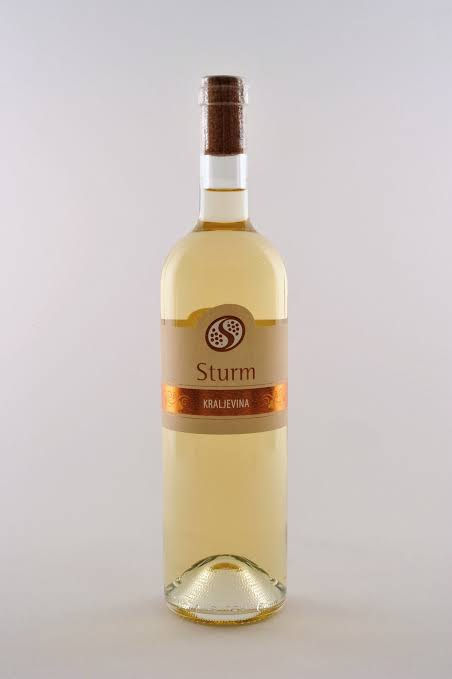
For a brief period in autumn, the Austrian countryside celebrates the harvest with Sturm, a lively, sweet beverage that is still in the process of fermenting. Made from freshly pressed red or white grapes, it represents the magical halfway point between raw grape juice and finished wine.
Drinking Sturm is accompanied by a strict, highly preserved set of cultural rituals. For example, because the active yeast continues to produce carbon dioxide, the bottles are never sealed tightly, and the glass must only be raised with the left hand. Traditionalists do not toast with "Prost" (cheers), but instead say "Mahlzeit," as the beverage is not yet fully mature wine. A highly searched variation is Schilchersturm, a bright, tart rosé style produced from the Blauer Wildbacher grape in Western Styria.
Where it is sold the most: Traditional Austrian taverns (Heuriger), wine festivals, and local farm stands in early autumn.
Current Price Range: €3.50 to €5.50 per glass depending on the vineyard setting.
9. Ovomaltine: The Mountain Energizer

Ovomaltine, known in some international markets as Ovaltine, is a beloved Swiss chocolate malt beverage with deep historical roots. Developed over a century ago as a nutritious tonic, the powder consists of malt extract, cocoa, milk, and eggs.
In Switzerland, Ovomaltine holds a special place in the hearts of youth and outdoor sports enthusiasts, who frequently consume it hot or cold after a strenuous day of skiing or hiking in the Swiss Alps. The brand's popularity has expanded so widely that the unique malted powder is also incorporated into chocolate bars, spreads, and even enjoyed sprinkled over buttered bread.
Where it is sold the most: Swiss grocery stores, convenience shops, ski resort cafeterias, and homes.
Current Price Range: CHF 1.80 to CHF 3.00 for pre-packaged cartons, and CHF 3.50 to CHF 5.00 in alpine cafes.
10. Absinthe: The Emerald Legend of Jura

Rounding out the list is a historic spirit that evokes unmatched curiosity and intrigue: Absinthe. Originating in the Val-de-Travers region within the Swiss canton of Jura, this high-proof, emerald-green spirit is distilled from botanicals, including wormwood, anise, and fennel.
For nearly a century, Absinthe was banned under a specific anti-absinthe article in the Swiss Federal Constitution due to myths surrounding its hallucinogenic properties. In 2005, Swiss voters legalized the spirit once more, sparking a renaissance of traditional micro-distilleries in its birthplace. Drinking it involves a slow ritual of diluting the spirit with ice-cold water poured over a sugar cube, creating a beautiful cloudy effect (the "louche") that makes it a fascinating highlight of Swiss beverage names.
Where it is sold the most: Specialty bars, craft distilleries, and high-end liquor stores in Switzerland and neighboring European countries.
Current Price Range: CHF 8.00 to CHF 15.00 for a traditional lounge pour, while premium retail bottles range from CHF 50.00 to over CHF 120.00.
Comparative Analysis of Central European Beverage Data
To appreciate the varied options across the DACH region, the following table presents a direct comparison of their primary characteristics, highlighting their specific cultural contexts and sensory profiles.
Beverage Name | Key Botanical / Flavor Ingredients | Alcohol Level (% ABV) | Sugar & Calorie Profile | Best Enjoyed In Which Season? |
Glühwein | Red wine, cloves, star anise, cinnamon, orange | Warmly Alcoholic (approx. 8–12%) | High sugar from sweetening | Winter |
Radler | Pale lager, lemon juice, sparkling soda | Low-Alcoholic (approx. 2–2.5%) | Moderately sweet and light | Summer |
Spezi | Cola, orange juice concentrate, sugar, caffeine | Non-Alcoholic | High sugar and highly refreshing | Year-Round |
Apfelschorle | Apple juice, carbonated mineral water | Non-Alcoholic | Medium natural sugars; low calorie | Year-Round |
Rivella | Liquid milk whey (lactose), secret herbal blend | Non-Alcoholic | Mildly sweet with organic acids | Year-Round |
Almdudler | Natural alpine herbs, cane sugar, citric acid | Non-Alcoholic | Moderately sweet, highly botanical | Year-Round |
Wiener Melange | Mild espresso, steamed milk, frothed milk foam | Non-Alcoholic | Rich and creamy; unsweetened | Year-Round |
Sturm | Fermented grape juice, active yeast | Actively fermenting (approx. 4–8%) | High natural grape sugars | Autumn (Harvest) |
Ovomaltine | Malt extract, cocoa powder, milk, egg protein | Non-Alcoholic | Rich in nutrients and energy-dense | Winter |
Absinthe | Wormwood, anise, fennel, regional botanicals | High-Proof Spirit (approx. 45–74%) | Unsweetened; high herbal density | Year-Round |
Cultural Integration and Historical Evolution
The drinks of the DACH region reflect a deep connection to geographical terroirs and historical conditions. For example, Germany serves as an interesting geographical division for hot beverage preferences: tea culture dominates the stormy northern coastlines, whereas coffee holds sway in the sun-drenched south, and both coexist in the central states. In fact, Germany and Switzerland are two of only four countries in the entire world that successfully rank in the global top 25 for per capita consumption of both tea and coffee.
The development of non-alcoholic options also points to a rich history of resourcefulness and culinary ingenuity. Apfelschorle emerged from regional traditions in Southern Germany, where farmers diluted freshly pressed apple juices with bubbly mineral water to create a hydrating, low-calorie beverage that could be consumed during long days in the fields. In a similar vein, the creation of Rivella in Switzerland in 1952 provided a brilliant way for the nation’s massive dairy industry to utilize liquid whey, a natural byproduct of cheesemaking that is packed with essential minerals and nutrients.
                 [ Central European Raw Harvest ]
                                |
         +----------------------+----------------------+
         |                                             |
 [ Pure Pressed Juices ]                       [ Mountain Dairy ]
         |                                             |
         v                                             v
  Apfelschorle                                      Rivella
 (German Culture)                               (Swiss Culture)
In the modern market, these cultural favorites have transitioned seamlessly from home kitchens to busy urban cafes and international import shops. Carbonated soft drinks continue to dominate the Central European beverage market, accounting for roughly four out of every five consumed drinks in Germany. This trend is heavily supported by the abundance of natural mineral springs throughout the region, which has fostered a strong preference for fizzy, refreshing drinks that are deeply rooted in national heritage.
For the traveling epicurean, pairing these beverages with classic local dishes completes the culinary experience. A cold, bubbly Spezi cuts through the richness of a freshly fried Wiener Schnitzel or a salty pretzel with ease. Likewise, the bright acidity of a Swiss Chasselas wine (known as Fendant) is an absolute necessity when indulging in a bubbling pot of half-and-half cheese fondue, helping to balance the rich, savory flavors of the melted Gruyère and Vacherin. From morning coffee rituals in Vienna to lively summer evenings in Munich, these liquid traditions offer a delicious and immersive way to experience the heart of Central Europe.


Comments